Emergency Dentist Tips for Handling a Lost Tooth at Home
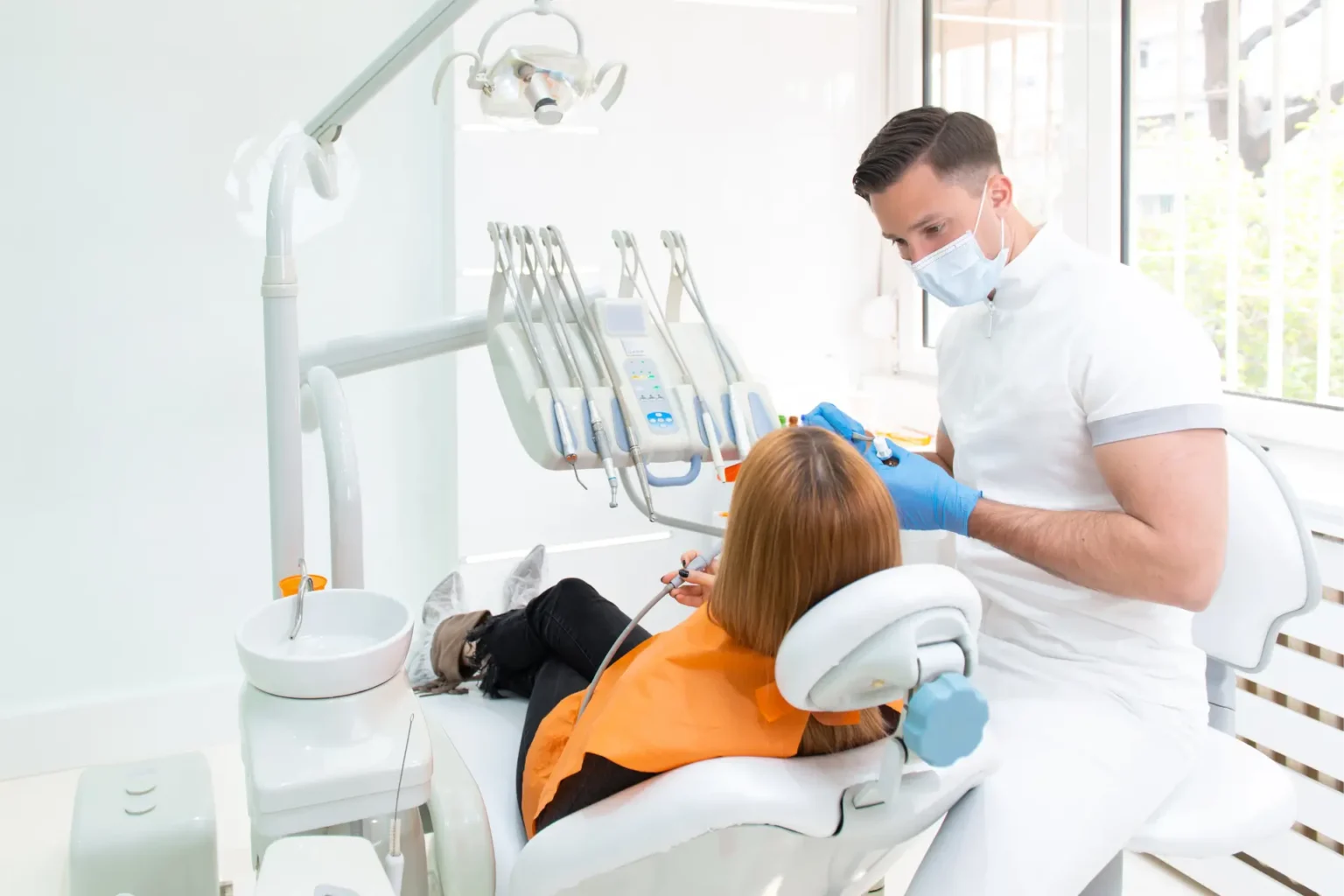
A lost tooth can turn an ordinary day into a frantic one within seconds. A fall on the driveway, a collision during a weekend game, an accidental elbow at practice, even biting down at the wrong angle on something hard, all of it can end the same way: a permanent tooth on the floor, in a napkin, or somewhere in the grass while everyone panics. What happens in the next 15 to 30 minutes matters more than most people realize.
This is one of those dental emergencies where home care is not the treatment, it is the bridge. The goal at home is to protect the tooth, control bleeding, reduce contamination, and get to an Emergency Dentist fast enough to give that tooth the best chance of survival. Sometimes reimplantation is possible. Sometimes it is not. The difference often comes down to how the tooth was handled before the patient ever reached the clinic.
People understandably make mistakes in this moment. They scrub the tooth clean. They wrap it in tissue. They leave it dry on the counter while they search online. They assume a baby tooth and an adult tooth should be managed the same way. Those small choices can close the window on a successful outcome. Calm, simple decisions are far more useful than heroic ones.
The first question: is it a baby tooth or a permanent tooth?
Age helps, but it is not enough on its own. Children can lose baby teeth naturally, and older children may already have permanent front teeth in place. In most kids, the upper and lower front permanent teeth begin erupting around ages 6 to 8. By around age 12 or 13, many permanent teeth have already come in. Adults, of course, are dealing with permanent teeth unless there is a rare exception.
This distinction matters because a permanent tooth that has been knocked out is a true dental emergency. A baby tooth usually should not be put back in. Reimplanting a baby tooth can injure the developing permanent tooth underneath. If there is any doubt at all, assume urgency and call an Emergency Dentist immediately for guidance.
A common real-life example is the 8-year-old who loses a front tooth on the playground. Parents often say, “It was loose anyway,” but loose from normal shedding and loose from trauma are not the same thing. If there was a hit to the mouth, especially with bleeding, lip swelling, or a tooth that looks longer, shorter, or out of line, it needs professional evaluation.
Time changes everything
With a knocked-out permanent tooth, time out of the mouth is a major factor. The root surface is covered with living cells that help the tooth reattach after it is placed back into the socket. Those cells do poorly when they dry out. The longer the tooth stays dry, the worse the prognosis tends to be.
Dentists often talk about a “golden window.” Exact outcomes vary by case, but getting the tooth back into the socket quickly, or storing it properly and reaching care within about 30 minutes, can make a meaningful difference. That does not mean a tooth is hopeless after that point. Teeth have been saved after longer periods, especially if stored correctly. It does mean every minute matters.
I have seen two very different versions of the same injury. In one case, a parent picked up the tooth by the crown, briefly rinsed visible dirt off with milk, tucked it carefully in the child’s cheek, and arrived at the office in under 25 minutes. The tooth had a fighting chance. In the other, the tooth was wrapped in dry paper towel and brought in 90 minutes later after several phone calls and a stop at home. The outcome became much less predictable before treatment even started.
What to do in the first few minutes
If a permanent tooth has been completely knocked out, the priorities are straightforward. Stay calm, find the tooth, handle it correctly, and get help.
- Pick up the tooth by the crown only, which is the part you normally see in the mouth. Do not touch the root.
- If the tooth is dirty, rinse it gently for a few seconds with milk or saline. If neither is available, use clean water briefly. Do not scrub, wipe, or use soap.
- If the person is alert and cooperative, try placing the tooth back into the socket right away, facing the correct direction. Have them bite gently on clean gauze or cloth to hold it in place.
- If you cannot reinsert it, keep the tooth moist in cold milk, saline, or inside the person’s cheek if they are old enough not to swallow it. Then go to an Emergency Dentist immediately.
- Control bleeding with gentle pressure using gauze or a clean cloth, and use a cold compress on the outside of the face for swelling.
These steps sound simple on paper, but they are often harder in real life. The person may be crying, frightened, bleeding, or dizzy. The tooth may be mixed with dirt, blood, or sports field debris. Even so, the basics do not change. Protect the root surface. Do not let the tooth dry out. Move quickly.
Reinserting the tooth at home, when it makes sense
Not every family is comfortable trying to place a tooth back into the socket, but when it is a permanent tooth and the person can cooperate, immediate reinsertion can be the best option. This is most practical when the tooth is intact, the socket area is visible, and there is no obvious jaw injury or loss of consciousness.
Orientation matters. The smooth, rounded front of the tooth should face forward. If there is uncertainty, compare the shape with the neighboring tooth. Once positioned correctly, the tooth can often slide into the socket with gentle, steady pressure. It should not be forced. If it resists, stop and store it properly instead. Forcing the tooth can damage the socket or place it backwards.
After it is back in place, biting down lightly on folded gauze helps stabilize it. The tooth may Emergency Dentist not sit perfectly flush, especially if there is swelling or clotting in the socket. That is acceptable for the short trip to the dentist. The dentist’s job is to assess the position, clean the area, check for fractures, and usually splint the tooth to neighboring teeth if appropriate.
This is not the moment for perfection. It is the moment for preservation.
If you cannot put it back, storage matters
Dry storage is the enemy. A tooth left in a napkin, tissue, or pocket can lose viability quickly. Moist storage helps protect the root surface until treatment.
Cold milk is one of the best commonly available options at home. It is easy to find, relatively gentle on the cells, and practical during transport. Saline is also a strong choice if you have contact lens saline that is plain sterile saline, not a disinfecting solution. Some first aid kits for sports teams carry tooth preservation kits, but most households do not have them on hand.
Inside the cheek can work for older children, teens, and adults who can reliably avoid swallowing the tooth. That option is not appropriate for a very young child or anyone who is upset enough to choke. Plain water is better than leaving the tooth dry, but it is not ideal for long storage. Use it only if better options are not available and move quickly.
One detail people often miss is temperature. Cool is fine. Freezing is not. Do not put the tooth on ice, in the freezer, or in a glass with harsh mouthwash. Also avoid alcohol, hydrogen peroxide, or any cleaning solution. These are damaging, not helpful.
Bleeding, pain, and swelling at home
A knocked-out tooth often bleeds more than people expect because the gums and socket tissues are rich in blood supply. The sight of that blood can make the injury seem worse than it is, especially in children. Gentle pressure usually helps. Place sterile gauze over the socket and have the person bite down lightly. If you do not have gauze, a clean cloth can do the job temporarily.
Pain control should stay simple. A cold compress on the outside of the face for 10 to 15 minutes at a time can reduce swelling and ease discomfort. Over-the-counter pain medication may help if the person is able to take it safely, but it should not delay care. Follow the label or the patient’s physician’s guidance, especially with children. Aspirin is generally not the best first choice in a bleeding mouth injury because it can affect clotting.
If the bleeding seems heavy but the person remains alert and the injury is isolated to the tooth area, continue pressure and head to emergency dental care. If the person has trouble breathing, cannot be awakened normally, may have a head injury, has uncontrolled bleeding, or there is concern about facial fracture, this goes beyond a standard dental emergency. Emergency medical care comes first.
What not to do, because these mistakes are common
Some of the most damaging decisions are made with good intentions. People want to “clean it up” or “keep it safe,” but the wrong method can reduce the chance of saving the tooth.
- Do not scrub the root with a toothbrush, cloth, or your fingers.
- Do not wrap the tooth in dry tissue or leave it on a countertop.
- Do not soak it in alcohol, peroxide, mouthwash, or tap water for long periods.
- Do not try to reinsert a baby tooth.
- Do not wait to “see if it feels better” before calling an Emergency Dentist.
These are not minor details. The outer root surface is delicate, and the periodontal ligament cells there are essential to healing. Once they are badly damaged, the tooth may still be replanted, but the long-term outlook changes. Complications such as root resorption or ankylosis become more likely, especially in younger patients.
A lost tooth is not always the only injury
When a tooth comes out, surrounding structures may also be injured. The lip may be cut. The jaw may be bruised. Adjacent teeth may be cracked, intruded, or loosened even if they did not come out. A person who took a blow hard enough to avulse a tooth may also have a concussion or a nasal injury.
That is why a complete evaluation matters even when the socket looks straightforward. Dentists will usually check nearby teeth for mobility, percussion sensitivity, and response to trauma. They may take radiographs to look for root fractures, bone injury, or tooth fragments embedded in soft tissue. It is not rare for a child to arrive with a knocked-out front tooth and a small lip laceration that actually contains a tiny enamel chip. If that fragment is not found, the lip can stay tender and swollen for days.
If the person says their bite feels “off,” pay attention to that. It can signal displacement of other teeth or jaw Emergency Dentist trauma. Likewise, numbness of the lip or chin deserves urgent evaluation.
What the Emergency Dentist is likely to do
Knowing what comes next helps people act faster because the injury feels less mysterious. If the permanent tooth is brought in quickly and in good condition, the Emergency Dentist may reinsert it if you have not already done so, clean the area, verify positioning, and place a flexible splint to stabilize the tooth against adjacent teeth. Splints often stay on for a short period, commonly around one to two weeks in uncomplicated cases, though timing depends on the injury.
The dentist will also assess the root, the socket, and the surrounding bone. They may prescribe follow-up care, give instructions for a soft diet, and discuss cleaning with a soft toothbrush and possibly an antimicrobial rinse if appropriate. Tetanus status can matter if the tooth hit soil or a dirty surface, so you may be advised to check with a physician.
In many adult cases, root canal treatment is needed after reimplantation because the nerve supply has been disrupted. In younger patients with immature roots, the plan can be more nuanced because there may still be some healing potential depending on the injury and timing. This is one of those areas where experience matters. The right move for a 9-year-old with a developing tooth is not always the same as the right move for a 35-year-old.
That is another reason not to assume everything is solved if the tooth goes back into place at home. Reimplantation is only step one.
If the tooth is chipped, loose, or pushed sideways instead of fully out
Not every traumatic dental injury is a complete avulsion. Sometimes the tooth is only partially displaced, loosened, or fractured. These situations still need prompt attention, though the home advice differs slightly.
A loose adult tooth should not be repeatedly wiggled to “test it.” Leave it alone, avoid biting on it, and see an Emergency Dentist quickly. A tooth pushed out of position should also be evaluated the same day if possible. In some cases, a dentist can reposition it and stabilize it before swelling makes management more difficult.
For a broken tooth, keep any fragment you find. Small chips can occasionally be bonded back depending on the fracture and how the piece was stored. Even when reattachment is not possible, the fragment helps the dentist understand what was lost. Rinse the mouth gently, use gauze if there is bleeding, and avoid very hot, cold, or sweet foods if the tooth becomes sensitive.
If the fracture is large and a yellow or pink inner layer is visible, that is urgent. The tooth may have pulp exposure, and timing affects treatment options.
Children, sports, and the injuries that happen fast
Most knocked-out teeth in children and teens happen in motion, on bikes, trampolines, basketball courts, baseball fields, scooters, stairs, and swimming pool decks. Adults more often present after falls, sports injuries, accidents, or trauma related to work or recreation. The pattern differs, but the chaos at the scene is always familiar.
Sports coaches and school staff often do a good job with ice and gauze, but tooth handling varies widely. I have seen teeth arrive in a water bottle, a paper napkin, a child’s pocket, and once in a sandwich bag with dry ice nearby. The intention is always good. The method is not always kind to the tooth.
A properly fitted mouthguard reduces the risk of many dental injuries, especially in contact and ball sports. It does not prevent every accident, but it often turns a complete avulsion into a less severe injury. That is a meaningful difference. Custom guards generally fit better than stock versions, but even a boil-and-bite guard is better than none for many families.
At home, one useful preparation is simple awareness. Parents of active children should know where the nearest Emergency Dentist is, keep clean gauze in a first aid kit, and understand that milk is not just for the fridge in this scenario, it can be a storage medium for a tooth.
When a tooth cannot be saved
Even with perfect first aid, not every lost tooth can be replanted successfully. The root may be fractured. The socket may be damaged. The tooth may have remained dry too long. Severe contamination or complex facial injury can also change the plan.
When that happens, the next step is not panic, it is reconstruction. Depending on age and circumstances, options may include a temporary removable appliance, a bonded provisional tooth, orthodontic space management, or eventually a dental implant or bridge once growth and healing are appropriate. In children and teenagers, timing is especially important because jaws are still developing. A definitive replacement may need to wait while interim solutions preserve appearance, speech, and space.
This can feel discouraging, especially when the injury affects a front tooth. Still, modern restorative dentistry offers strong solutions. The immediate loss is upsetting, but it is not the end of the story. The key is not to let that longer-term planning distract from the urgent priorities on the day of the injury.
The moments that matter most
A lost permanent tooth creates a narrow, high-stakes window. The most useful response is not complicated. Find the tooth, touch only the crown, rinse gently if dirty, reinsert it if you can, keep it moist if you cannot, and get to an Emergency Dentist without delay.
That sequence has saved many teeth that initially looked doomed. It also prevents the most common avoidable mistake, which is letting the tooth dry out while people search for certainty. In dental trauma, certainty usually comes later. Action comes first.
If you remember only one thing, remember this: a knocked-out permanent tooth should never sit dry on a napkin while you decide what to do. Keep it alive, keep it moist, and get moving.
Vitality Dental
1220 Coit Rd # 106, Plano, TX 75075, United States
+1 972-645-4100
FAQ About Emergency Dentist
What counts as a dental emergency?
A knocked-out tooth, significant mouth injury, severe tooth pain, or painful swelling warrants prompt evaluation. Call your dentist and describe your symptoms so the office can advise you on how urgently you need care.
What should I do if I knock out a permanent tooth?
Call a dentist immediately. Handle the tooth by the crown, avoid touching the root, and keep it moist. If you cannot put it back into the socket easily, transport it in milk or a tooth-preservation solution. Bring it with you to the appointment.
Should I go to the emergency room for a dental emergency?
Seek emergency medical care right away if you have trouble breathing or swallowing, uncontrolled bleeding, or a serious facial injury. For an isolated tooth injury or toothache without those symptoms, call a dentist promptly for guidance.