Emergency Dentist Plano, TX: What to Expect at Your Visit
A dental emergency rarely arrives at a convenient time. It shows up during dinner, on a Saturday morning, right before a business trip, or in the middle of the night when every sensation feels amplified. If you are looking for an emergency dentist Plano, TX, chances are you are dealing with pain, swelling, bleeding, a broken tooth, or a problem that simply cannot wait. In that moment, the unknown often feels almost as stressful as the tooth itself. Patients want to know one thing right away: what is going to happen when I get there?
The short answer is that an emergency dental visit is built around speed, diagnosis, pain control, and a safe next step. It is not usually a long, polished routine appointment. It is a focused visit designed to stabilize the problem first, then decide what treatment should happen immediately and what can wait until you are comfortable and out of danger.
That distinction matters. Many people assume every dental issue needs to be fully fixed on the spot. Sometimes that is possible. A filling can be replaced, a tooth can be extracted, or an infection can be drained and treated right away. Other times, the first appointment is about getting you out of pain, reducing swelling, protecting the tooth, and setting up a more complete procedure soon after. Good emergency care is not rushed guesswork. It is practical, prioritized dentistry.
What counts as a true dental emergency
Not every dental problem requires same-day care, but many do. Pain alone is not always the deciding factor. A small cavity can hurt sharply, while a serious infection can begin with a dull, nagging ache. The more useful question is whether the issue risks worsening quickly, threatens the tooth, or affects your ability to eat, sleep, speak, or function normally.
A cracked tooth after biting something hard can go from annoying to severe in a matter of hours if the crack extends deeper. A knocked-out tooth is time-sensitive in the most literal sense. Swelling near the jaw, gum, or face may signal infection, and dental infections are not problems to watch for a week and hope away. Uncontrolled bleeding after trauma or an extraction also deserves prompt attention.
Here are common situations that typically justify calling an emergency dentist right away:
- Severe tooth pain that does not ease with basic measures
- A chipped, broken, or cracked tooth, especially with pain or a sharp edge
- Facial swelling, gum swelling, or signs of infection
- A knocked-out or loose adult tooth after injury
- Bleeding that continues or a lost crown or filling causing significant pain
There are also gray areas. A crown that falls off on a Tuesday afternoon may not be a middle-of-the-night emergency if the tooth is not painful. A broken denture can feel urgent because it affects daily life, but it may not carry the same infection risk as an abscess. This is where a call to the office helps. An experienced front desk team or clinical assistant can usually ask the right questions, gauge urgency, and advise whether you should come in immediately, later that day, or the next available morning.
The first phone call matters more than most people think
The visit often begins before you ever sit in the dental chair. When you call, the office will usually ask when the problem started, how severe the pain is, whether there is swelling, whether trauma was involved, and whether you have a fever, difficulty swallowing, or trouble opening your mouth. Those details help the team judge urgency and prepare the right type of appointment slot.
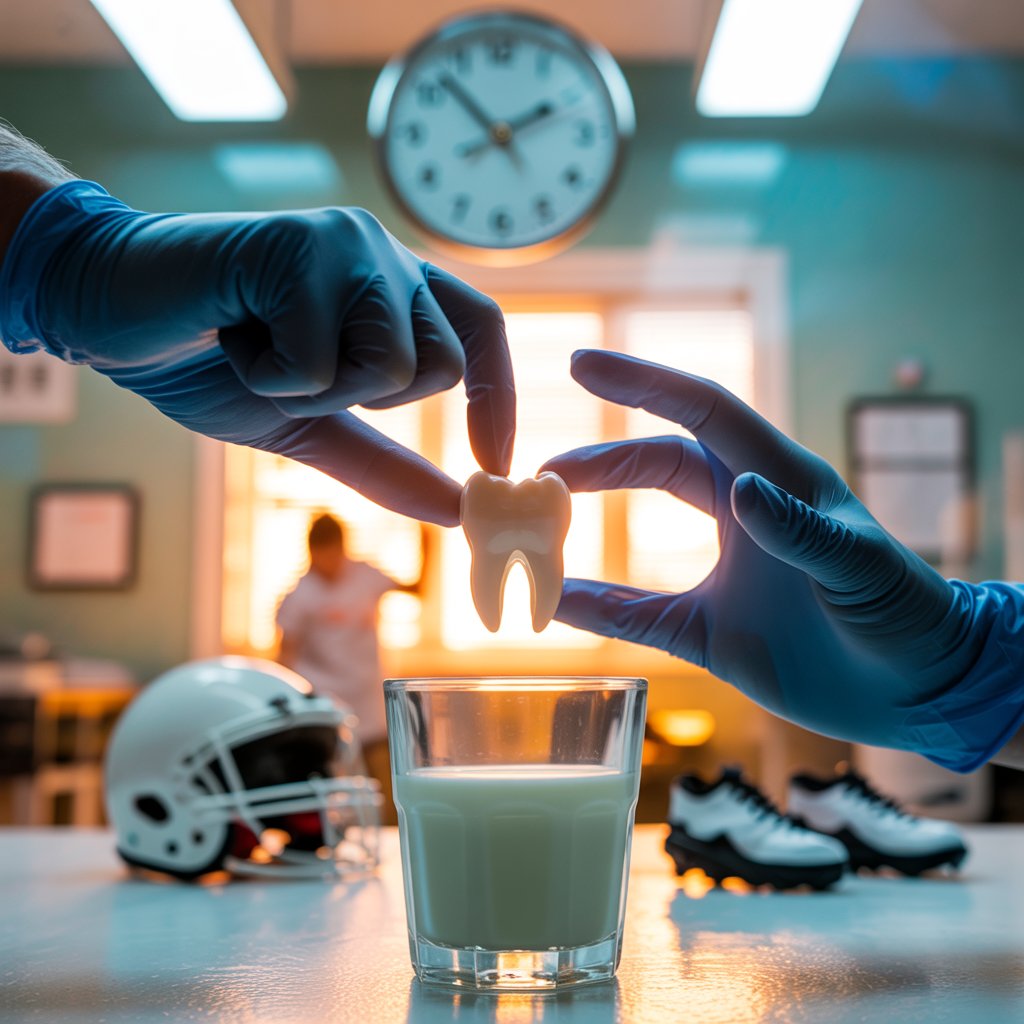
If your tooth was knocked out, they may coach you right then and there. That advice can make a real difference. A tooth that is handled carefully, kept moist, and seen quickly has a better chance than one wrapped in a napkin and left to dry out in a car cupholder. If you have swelling, they may ask whether it is localized to the gum or extending into the cheek. If you are bleeding, they may tell you how to apply pressure before arrival. This is one reason patients should not feel they are bothering the office by calling with specifics. Details are useful.
You may also be told what to avoid. For example, taking aspirin for active oral bleeding is not ideal because it can worsen it. Placing a painkiller directly against the gum is another common mistake. People sometimes put aspirin on the sore tooth, which can irritate or burn soft tissue. The right emergency dentist Plano, TX office will usually give straightforward instructions that lower risk before you even leave home.
What happens when you arrive
Emergency dental appointments are usually more streamlined than routine cleanings or comprehensive exams. Expect the team to move with purpose. Paperwork is often limited to the essentials, especially if you are in obvious distress. If you are a new patient, you will still need medical history, allergy information, current medications, and insurance details if applicable, but the clinical focus comes first.
At check-in, be ready to describe the problem in plain language. Where does it hurt? When did it start? Is it constant or only when you bite? Is the pain sharp, throbbing, dull, or radiating toward the ear or jaw? Did something break, fall out, or swell up? Have you taken any medication today? Those answers help narrow possibilities before the dentist even begins the exam.
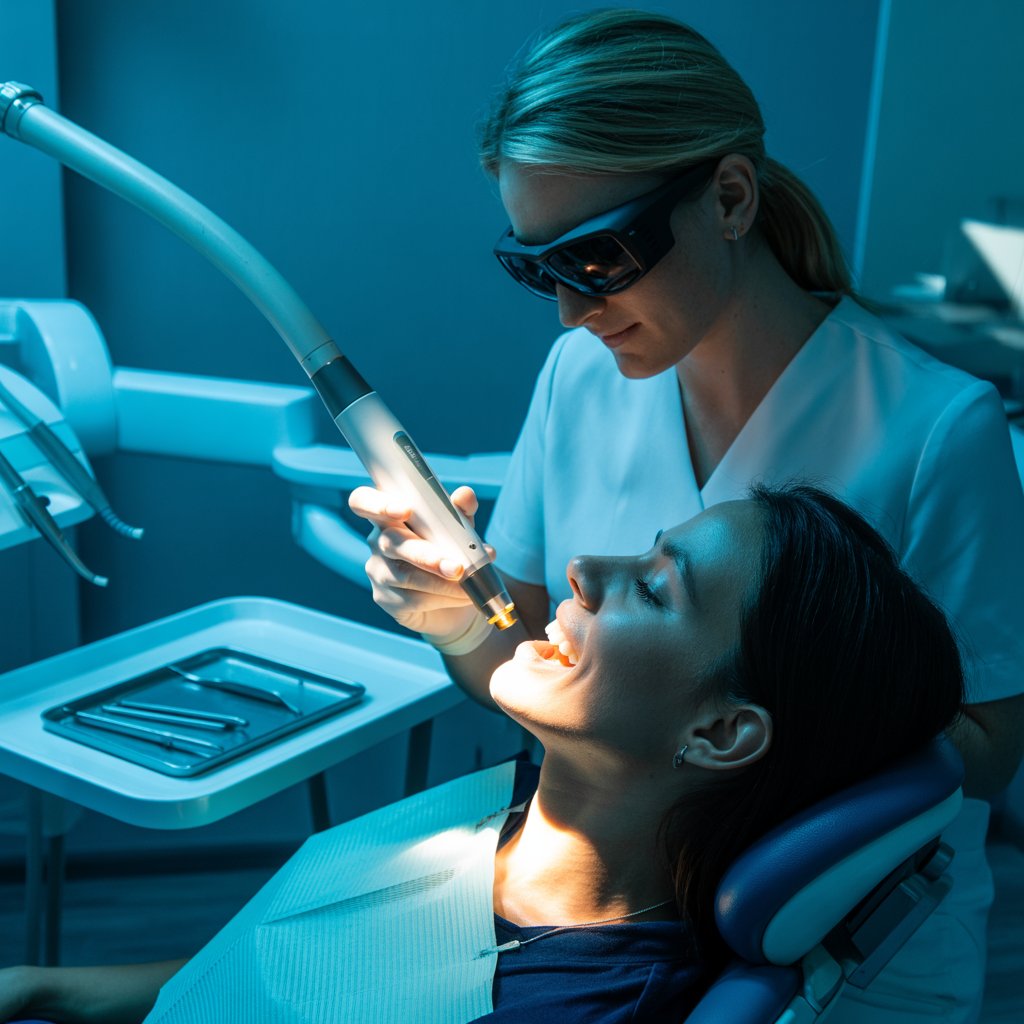
In practice, the first goal is usually comfort. If you arrive in significant pain, the team knows that it is difficult to answer questions, sit still, or tolerate an exam. They may start with numbing, especially if they already suspect a tooth nerve issue, severe sensitivity, or the need for treatment that day. Patients are often surprised by how much calmer the visit feels once the pain is reduced. When the body stops bracing, better decisions become possible.
The exam is focused, not rushed
Emergency dentistry involves triage, but triage does not mean cutting corners. It means identifying the immediate cause, ruling out dangerous complications, and deciding what needs attention now. The dentist will inspect the area, test the tooth or surrounding gums, and often take one or more X-rays. These images are frequently limited to the problem region rather than a full series, because the priority is to diagnose the urgent issue quickly.
If the pain is from deep decay or an inflamed nerve, the X-ray may show how close the cavity is to the pulp or whether infection has spread near the root. If you have swelling, the dentist will look for signs of an abscess, gum infection, or a cracked tooth. If there was trauma, they may assess for fractures in the tooth root, jawbone, or surrounding structures. A Emergency dentist Plano, TX tooth that looks only slightly chipped can sometimes hide a larger internal injury.
The exam also helps separate dental pain from other causes. Not every ache in the mouth is a cavity. Sinus pressure can mimic upper tooth pain. Teeth grinding can create soreness that feels like multiple problem teeth at once. Jaw joint inflammation can cause pain near the molars. Good emergency care includes clinical judgment, not just treatment speed.
The most common treatments during an emergency visit
Treatment depends on what the dentist finds, but some patterns are very common. If a tooth is infected and the nerve is involved, the immediate options might include opening the tooth to relieve pressure, starting root canal treatment, or extracting the tooth if it cannot be saved or if that is the most predictable path. If a filling or crown has failed, the dentist may place a temporary or permanent restoration depending on the tooth’s condition and the time available. If a tooth is broken, smoothing a sharp edge, placing a temporary covering, or rebuilding part of the tooth may bring fast relief.
An abscess may require drainage in addition to medication. This is an area where patients sometimes misunderstand what antibiotics can do. Antibiotics can help control bacterial spread, but they do not remove the source of a tooth infection by themselves. If the pulp inside the tooth is dead or infected, the tooth generally needs root canal treatment or extraction. Medication can support treatment, but it rarely replaces it.
For knocked-out teeth, the dentist may try to reimplant the tooth if the timing and condition are favorable. For a loose or displaced tooth after trauma, splinting may be used to stabilize it while surrounding structures heal. Soft tissue injuries to the lips, gums, or cheeks may also need attention, especially if there is debris embedded from a fall or sports injury.
The point of the visit is not to force a one-size-fits-all fix. It is to relieve pain, preserve teeth when possible, control infection, and prevent the emergency from becoming a larger medical problem.
Pain relief is usually faster than patients expect
One of the biggest fears patients bring into an emergency dental visit is that they will be told to “wait and see” while still hurting. In a well-run emergency setting, that is not the norm. Even when the final treatment must be staged, there is usually something meaningful that can be done that same day.
Local anesthetic remains one of the most effective tools in dentistry. If the tooth is hot, inflamed, and difficult to numb, the dentist may use a combination of techniques to get you comfortable. This is common with lower molars, where inflamed nerve tissue can be stubborn. Patients often arrive convinced that nothing will help because over-the-counter medication has stopped working. Numbing works through a different mechanism, and it often changes the entire experience of the visit.
If there is swelling or infection, relief may not be instant in the way numbing is instant, but the treatment plan should still feel concrete. You should leave knowing what was done, what symptoms to expect over the next 24 to 72 hours, what medication instructions apply to you, and when the next step should occur.
You may not get the “perfect” fix on day one, and that is normal
This surprises people, especially those who have not been through dental emergencies before. The emergency appointment is not always the final appointment. Sometimes a temporary restoration is the right move because the tooth needs to calm down before a permanent crown is placed. Sometimes the dentist begins root canal treatment to remove pain and infection, then completes the final restoration later. Sometimes swelling is too significant for the ideal definitive treatment that minute, and the safest decision is to stabilize first and complete treatment once tissues settle.
That is not lower-quality care. It is often better care. A staged approach can improve comfort, preserve tooth structure, and lower the risk Emergency dentist Plano, TX of complications. There is a difference between a temporary fix and a careless fix. Good emergency dentists explain that difference clearly.
Cost questions usually come up early, and they should
Pain makes financial decisions harder, not easier. Most patients want to know what the visit will cost before agreeing to treatment, and that is reasonable. Emergency exam fees, X-rays, and treatment costs vary by office and by what is actually needed. A focused exam and one X-ray are very different from an extraction, root canal access, or same-day crown repair.
The practical reality is that no honest office can quote the exact total before diagnosing the problem. They can often give a range for the emergency evaluation and then discuss treatment options once the dentist has examined you. If there are multiple valid approaches, such as saving a tooth with root canal treatment versus removing it, cost may be part of the conversation along with long-term function, comfort, and prognosis.
Insurance can help, but emergency dental benefits are still subject to plan rules, annual maximums, deductibles, and waiting periods. Patients are often frustrated to learn that “emergency” in everyday language does not always mean “fully covered” in insurance language. That is not unique to dentistry, but it is worth knowing ahead of time.
What to bring and how to prepare
If you can safely gather a few things before heading out, the visit will usually go more smoothly:
- A photo ID and insurance card, if you have one
- A list of medications, allergies, and medical conditions
- The broken tooth fragment, crown, or appliance, if you can find it
- Information about when you last ate and what pain medicine you have taken
- A driver if you are in severe pain or expect sedation
If a tooth has been knocked out, carry it carefully. Hold it by the crown, not the root. If it is dirty, a gentle rinse may be appropriate, but scrubbing it is not. If the office instructs you to keep it moist, follow that advice exactly. Time and handling matter here.
If you have swelling, avoid applying heat. Cold compresses outside the face are usually more helpful. If you are bleeding, apply clean gauze or a clean cloth with steady pressure. If the bleeding is heavy, if swelling is affecting breathing or swallowing, or if facial trauma is severe, seek emergency medical care immediately. A dental office handles many urgent oral problems, but there is a point where hospital-level care is the right setting.
Special situations that change the visit
Children, pregnant patients, older adults with complex medical histories, and people on blood thinners often need extra planning during emergency dental care. That does not mean treatment is unsafe. It means the dentist will ask more detailed medical questions and may adjust the plan.
A child with dental trauma may need a very different evaluation depending on whether the injured tooth is a baby tooth or a permanent one. Pregnant patients can still receive emergency dental treatment, and delaying care is not always the safest option, especially with infection or severe pain. Patients taking anticoagulants may require modified bleeding control strategies. People with diabetes may be at greater risk when infection is present. These are routine considerations for experienced clinicians, but they make a strong medical history especially important.
Anxiety is another factor that changes the visit. Dental emergencies often hit patients who have not been to the dentist in years, sometimes because of fear, sometimes because life got busy. Pain has a way of stripping away avoidance. A professional office should meet that reality with calm, not judgment. The best emergency visits I have seen are not just technically competent. They are emotionally steady. The patient feels that someone is in control and that the problem is being taken seriously.
Aftercare is where many emergencies either settle down or flare back up
Before you leave, you should know what was done and what happens next. That includes eating instructions, pain control guidance, whether antibiotics were prescribed, how to care for the area at home, and what warning signs mean you should call back. Patients who understand the next 48 hours tend to do much better than those who leave with only a numb cheek and a vague sense that something was fixed.
Some soreness after treatment is normal. Worsening swelling, fever, bad taste or drainage, uncontrolled bleeding, or pain that is escalating rather than improving deserves follow-up. If the office placed a temporary restoration, you should know how to avoid dislodging it. If a root canal or extraction was only the first phase of treatment, make the follow-up appointment promptly. A stabilized emergency is not the same as a fully completed case.
This is especially true when the quick fix feels good enough. Once the pain disappears, people understandably want to move on. But a temporary crown needs a permanent plan. A drained abscess still needs the source tooth managed properly. A cracked tooth that was patched may still need full coverage later. The crisis may be over, but the biology has not changed.
Choosing the right emergency dentist in Plano
When people search for an emergency dentist Plano, TX, they are often doing it under pressure. That makes simple signals matter. Does the office answer the phone clearly? Do they ask the right questions? Can they explain whether you need immediate care? Are they transparent about the exam and next steps? Do they sound accustomed to urgency rather than irritated by it?
Same-day availability is important, but so is judgment. A rushed office that squeezes you in without enough time to diagnose properly is not ideal. What you want is responsiveness paired with competence. The best emergency dentists are efficient, but they are not careless. They know when a tooth can be saved, when an extraction is the wiser route, and when swelling or trauma calls for medical referral beyond the dental chair.
Location and hours matter too. Dental emergencies have a nasty habit of happening outside ordinary routines. An office that accommodates urgent cases, explains after-hours procedures, and communicates clearly can spare you a lot of unnecessary suffering.
The visit is about more than getting through the day
At its best, emergency dentistry does two things at once. It solves the immediate problem and puts you back on a stable path. That may mean preserving a tooth that could have been lost if treatment were delayed. It may mean catching an infection before it spreads further. It may mean turning a night of panic into a manageable plan by noon.
Patients often walk in expecting chaos and walk out surprised by how structured the process is. The exam is targeted. The decisions are practical. The relief, even when treatment must continue later, is real. If you need an emergency dentist Plano, TX, knowing what to expect helps replace some of the panic with clarity. And when pain is involved, clarity matters more than most people realize.
Vitality Dental
1220 Coit Rd # 106, Plano, TX 75075, United States
+1 972-645-4100
FAQ About Emergency dentist Plano, TX
Will the ER do anything for dental pain?
An emergency department can assess urgent symptoms and provide medical stabilization. Definitive treatment of the tooth usually requires a dentist. Seek emergency medical care for breathing or swallowing difficulty, uncontrolled bleeding, or serious facial injury.
What to do if I have a dental emergency in the middle of the night?
Contact a dentist or after-hours dental service promptly for guidance. If a permanent tooth is knocked out, keep it moist in milk while seeking immediate care. If symptoms suggest a medical emergency, go to an emergency department.
What qualifies as a dental emergency?
A knocked-out permanent tooth, severe or persistent tooth pain, a significant dental injury, or swelling may require urgent dental assessment. Call a dentist to describe the symptoms and determine timing. Uncontrolled bleeding or difficulty breathing or swallowing requires emergency medical care.