Emergency Dentist Plano, TX: Common Causes of Sudden Oral Pain
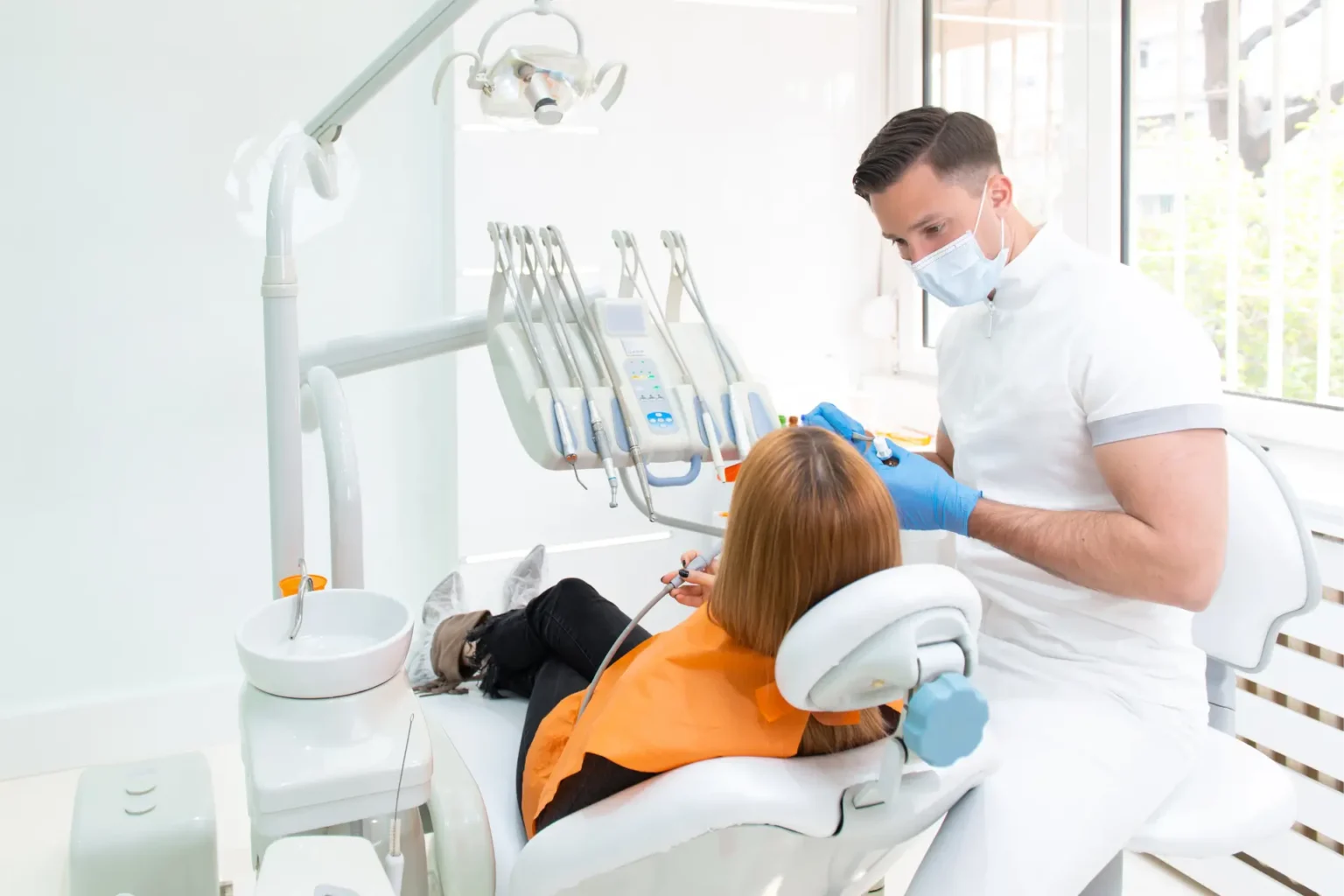

Sudden oral pain has a way of taking over everything else. A dull ache can turn into a throbbing pulse in a matter of hours. A chipped tooth that seemed minor at lunch can feel razor sharp by dinner. People who normally put off dental care often change their minds quickly once they cannot chew, sleep, or think clearly because of pain.
In a busy city like Plano, dental emergencies tend to happen at inconvenient times. A cracked molar shows up during a weekend barbecue. A child collides with another player at soccer practice and comes off the field holding a front tooth. A crown slips loose just before a work trip. When pain appears suddenly, most people want the same answers right away: what caused it, how serious is it, and do I need urgent treatment?
An emergency dentist Plano, TX patients rely on sees the same pattern over and over. Oral pain rarely comes out of nowhere. There is usually an underlying problem, even if it stayed quiet for weeks or months before flaring up. Understanding the most common causes can help you respond faster, protect the tooth if possible, and avoid making the situation worse.
Why sudden oral pain deserves prompt attention
Dental pain is different from the kind of soreness people expect after hard exercise or a long day. It often signals infection, exposed nerves, damaged enamel, pressure inside the tooth, or trauma to the supporting bone and gum tissue. Those conditions do not usually resolve on their own. Pain may fade temporarily, but that does not mean the problem is gone. Emergency dentist Plano, TX In fact, when a badly infected tooth stops hurting altogether, it can mean the nerve has died, which is not good news.
There is also the issue of timing. Teeth do not heal the way skin does. A fractured filling will not reseal itself. An abscess will not drain cleanly and disappear because someone waited another week. The longer a true dental emergency sits, the more likely it is that treatment becomes more involved, more expensive, and less predictable. A small crack can become a split tooth. A cavity can become a root canal. A localized infection can spread into the jaw or face.
That is why a sudden change in oral pain deserves a closer look, especially if the pain is severe, wakes you up, or comes with swelling.
Tooth decay that has reached the inner tooth
One of the most common sources of sudden pain is simple decay that has progressed deeper than the patient realized. Cavities often start quietly. Early enamel damage may cause no symptoms at all. Once decay reaches the dentin, the layer under the enamel, people may notice sensitivity to sweets, cold drinks, or brushing. When it gets close to the pulp, where the nerve and blood supply live, pain can shift from occasional sensitivity to sharp, spontaneous aching.
This is the point where many people call for urgent care. They often say something like, “It was a little sensitive for a while, then it just exploded this week.” That description fits a deep cavity remarkably well. The pain may come in waves. It may worsen at night, because lying down can change blood flow and pressure. Hot coffee may trigger pain that lingers for several minutes rather than fading right away.
At this stage, treatment depends on how much of the tooth remains and whether the nerve is inflamed, infected, or no longer viable. Sometimes a filling still works. More often, a deep cavity causing severe spontaneous pain requires root canal treatment and a crown. If too much tooth structure has been lost, extraction may be the only realistic option.
A cracked tooth, especially a back molar
Cracks are notorious for causing pain that feels hard to pinpoint. Patients often know one side hurts, but they cannot tell which tooth is responsible. That happens because a crack can open microscopically when you bite, then close again when pressure releases. The nerve reacts to the movement. People describe a quick, electric jolt when chewing, especially on nuts, crusty bread, ice, or dense meats.
Molars are common culprits because they absorb strong biting forces. Teeth with large old fillings are especially vulnerable. Over time, the remaining tooth walls can weaken, and one ordinary bite may be enough to start a fracture. Grinding and clenching at night can also create the repeated stress that turns a hairline crack into a painful problem.
Cracked teeth are tricky because not all cracks behave the same way. A shallow craze line on the surface may need nothing more than monitoring. A cusp fracture may be repaired with a crown. A crack extending into the root carries a much worse prognosis. That is why a prompt exam matters. Delay allows the fracture to deepen, and once it travels below the gumline in the wrong direction, saving the tooth becomes much less likely.
Dental abscesses and infection
When oral pain comes with swelling, bad taste, pressure, or tenderness to touch, infection moves high on the list of likely causes. A dental abscess forms when bacteria invade the pulp or surrounding tissues and the body responds with inflammation and pus. The pain can be intense, throbbing, and constant. Some patients cannot close their teeth together without sharp discomfort. Others notice a pimple-like bump on the gum that intermittently drains.
Abscess pain often worsens quickly. It may spread into the jaw, ear, or neck. The face can look visibly swollen by the end of the day. Fever is not always present, but when it is, that raises concern. In a healthy adult, a small localized infection may stay contained for a while. In a child, an older adult, or someone with diabetes or an impaired immune system, things can escalate faster.
This is one of the clearest situations where an emergency dentist Plano, TX residents can reach should evaluate the problem promptly. Antibiotics may help control the spread in some cases, but they do not fix the source on their own. The infected tooth or tissue usually needs drainage, root canal treatment, extraction, or periodontal treatment depending on where the infection began.
Gum problems that become acutely painful
Not all dental emergencies start inside the tooth. Gum tissue can also produce significant pain, particularly when inflammation becomes severe or a localized pocket of infection develops around a tooth. Food trapped under the gumline, an erupting wisdom tooth, or advanced periodontal disease can all create swelling and tenderness that seems to come out of nowhere.
A common example is pericoronitis, inflammation around a partially erupted wisdom tooth. The tissue over the tooth traps bacteria and debris, then swells. Patients may notice pain when chewing, difficulty opening wide, and soreness radiating toward the throat or ear. Another example is a periodontal abscess around a tooth with deep gum pockets. The pressure can feel surprisingly intense, and the tooth may seem taller than the others because the surrounding tissues are inflamed.
Gum-related pain can fool people into thinking the tooth itself is decayed. Sometimes it is. Sometimes the tooth is structurally sound, but the supporting tissues are in trouble. The distinction matters because treatment differs. A cavity needs restorative care. A gum abscess may require cleaning below the gumline, drainage, antimicrobial therapy, or referral for more advanced periodontal treatment.
Trauma, sports injuries, and sudden impact
Plano families with active kids know how fast dental injuries happen. A basketball elbow, a scooter fall, a baseball line drive, even a slip on wet tile can damage teeth in seconds. Adults are not exempt either. A hurried misstep on the stairs or a bite into an olive pit can do plenty of damage.
Trauma may cause a chipped edge that is mostly cosmetic, or it may create a fracture that exposes dentin or pulp. Teeth can also be loosened, pushed out of position, or knocked out entirely. The amount of pain varies more than people expect. Some severe injuries are initially numb because adrenaline masks symptoms. Others become intensely painful once the shock wears off.
Time matters enormously here. A knocked-out permanent tooth has the best chance of survival if it is repositioned quickly, ideally within 30 to 60 minutes. A displaced tooth may need splinting. Soft tissue lacerations can hide debris or involve deeper injury than is obvious at first glance. Even when a tooth appears intact after trauma, the nerve can be damaged and symptoms may emerge days later.
Lost fillings, loose crowns, and exposed tooth structure
A lost filling or loose crown does not always look dramatic, but it can trigger sudden pain because it exposes vulnerable tooth structure. Dentin contains microscopic tubules that communicate with the nerve. Once uncovered, cold air, cold drinks, sugar, or pressure can create a distinct zinging sensation. If the restoration came off because decay developed underneath it, the pain may be even stronger.
This kind of problem often appears after chewing something sticky or hard. Caramel, gum, crusty bread, or ice can dislodge weakened dental work. Many people are surprised by how quickly the tongue finds the rough spot and how much the area starts to hurt once they drink water or breathe through the mouth.
Prompt care is wise because the remaining tooth may be fragile. A crown that came loose once may be salvageable if it is intact and the underlying tooth has enough structure left. A delay can allow the tooth to shift slightly, making recementation difficult. If a large filling falls out, the unsupported tooth walls can fracture while waiting.
Wisdom teeth and pressure in the back of the mouth
Wisdom teeth have a special talent for creating confusion. The pain may feel like it comes from the jaw joint, throat, ear, or neighboring molar. Partially erupted wisdom teeth can inflame the surrounding gums, trap food, and make cleaning difficult. Impacted wisdom teeth may press against adjacent teeth or contribute to repeated infection under the gum flap.
Not every aching wisdom tooth requires same-day intervention, but some situations do need urgent attention, especially when swelling, bad taste, difficulty swallowing, or limited opening of the mouth are involved. A person in their late teens or twenties may first notice the problem while studying for exams or during a stressful period, then assume the soreness will pass. Sometimes it does briefly, then returns with much more force.
The challenge with wisdom tooth pain is that the back of the mouth is hard to inspect at home. What feels like a simple sore gum could be an infection collecting around a partially erupted tooth. Clinical evaluation and imaging help determine whether the issue is temporary inflammation or a sign that extraction should be scheduled sooner rather than later.
Grinding, clenching, and overworked jaw muscles
Not every urgent dental visit starts with infection or visible damage. Severe clenching and grinding can cause sudden oral pain, especially when it leads to cracked enamel, inflamed ligaments around the tooth roots, or overworked jaw muscles. These patients often wake up sore. The teeth may feel tender when biting, and the temples or cheeks may ache as well.
Stress plays a role for many people, but so do sleep disorders, bite patterns, and missing or worn teeth. I have seen patients who thought they had a cavity because one upper molar hurt every morning, only to discover the tooth was being overloaded at night. The pain was real, but the source was mechanical rather than infectious.
This does not mean the problem is minor. Heavy grinding can destroy enamel, loosen restorations, chip cusps, and inflame the temporomandibular joints. When discomfort spikes suddenly, an exam helps rule out cracks and infection while identifying whether a night guard or bite adjustment may be part of the solution.
Sinus pressure that mimics tooth pain
Upper back teeth share close anatomical real estate with the maxillary sinuses. When the sinuses are inflamed from allergies, a cold, or an infection, the pressure can create aching in several upper teeth at once. Patients sometimes insist they need a root canal because “every top tooth on the left hurts,” but the teeth test normal and the real issue turns out to be sinus-related.
There are clues. Sinus-related pain often affects multiple upper teeth rather than one isolated tooth. It may worsen when bending forward. Nasal congestion, facial fullness, or recent illness can point in the same direction. Still, overlap exists, and dental infections can also refer pain broadly. That is why guessing at home is risky. A proper exam can separate a tooth problem from a sinus problem before unnecessary treatment happens.
Signs that should not wait
Some dental problems can be scheduled within a day or two. Others need immediate attention because the risk extends beyond discomfort.
- Rapid swelling of the face, gums, or jaw
- Fever, chills, or feeling generally unwell along with tooth pain
- A knocked-out or displaced permanent tooth
- Trouble swallowing, trouble breathing, or difficulty opening the mouth
- Bleeding that does not stop after pressure
These situations call for urgent evaluation. If breathing or swallowing is affected, emergency medical care may be more appropriate than waiting for a dental office visit.
What to do before you reach the dental office
The hours between the start of pain and the dental appointment matter. A few simple steps can reduce discomfort and prevent avoidable damage.
- Rinse gently with warm salt water if the area is irritated or swollen
- Use a cold compress on the outside of the face for swelling or trauma
- Keep any knocked-out permanent tooth moist in milk or saliva, not dry in a tissue
- Avoid chewing on the painful side and skip very hot, very cold, or sugary foods
- Take over-the-counter pain medication as directed, unless your physician has told you not to
One caution matters here. Do not place aspirin directly on the gum or tooth. People still try this, and it can burn the soft tissue without helping the underlying problem.
Why self-diagnosis so often goes wrong
People are understandably tempted to search symptoms online and make a call based on what sounds familiar. The trouble is that dental pain does not always follow neat rules. A lower molar infection can feel like ear pain. A cracked tooth may only hurt when releasing the bite, not when pressing down. A dying nerve can produce heat sensitivity, while an exposed root might only react to cold. Referred pain further muddies the picture.
There is also a psychological factor. Many patients hope the painful tooth is Emergency dentist Plano, TX vitalitydentaldfw.com the one they can see or point to. In reality, the culprit may be behind it, below it, or on the opposing arch. Dentists use examination, percussion, palpation, temperature testing, bite tests, and imaging for a reason. Those tools sort out problems that are nearly impossible to separate by symptoms alone.
The local factor in Plano
Plano’s climate, lifestyle, and pace add their own wrinkles to emergency dental care. Dry mouth is common in people who spend time outdoors in Texas heat, use certain medications, or breathe through the mouth at night. Reduced saliva can increase cavity risk and make tissues more vulnerable to irritation. Youth sports and recreational activity also contribute to a steady stream of chipped and displaced teeth. Add in packed calendars, long commutes, and the tendency to postpone routine visits until something hurts, and small issues often arrive at the office as urgent ones.
That local reality is one reason people search for an emergency dentist Plano, TX providers can trust when pain spikes unexpectedly. Access matters, but so does judgment. The best emergency care is not just about stopping pain for the day. It is about identifying whether the tooth can be saved, whether infection is spreading, and what definitive treatment should happen next.
Prevention does not eliminate emergencies, but it changes the odds
Even conscientious patients can have accidents. A front tooth can meet a steering wheel. A hidden crack can split on a popcorn kernel. Still, many true emergencies are the end result of smaller problems that had warning signs. Mild cold sensitivity, a rough filling edge, occasional food packing, bleeding gums, a crown that feels a little loose, morning jaw soreness, these details matter more than people think.
Routine exams and x-rays catch decay before it reaches the nerve. Professional cleanings reduce the bacterial burden that drives gum disease. Night guards protect teeth from heavy grinding. Athletic mouthguards lower the chance of traumatic injury. Replacing aging restorations before they fail can prevent a lost filling from becoming a fractured tooth.
The practical reality is not that every ache is preventable. It is that early attention gives you better options. A simple filling is easier than a root canal. A crown placed before a tooth cracks is preferable to trying to salvage a split molar. A draining gum infection is easier to treat than a swollen face on a Sunday afternoon.
When oral pain arrives suddenly, the smartest move is not to wait for certainty. It is to respect the symptom and get it evaluated. Teeth and gums tend to reward quick action, and they punish delay more often than people expect.
Vitality Dental
1220 Coit Rd # 106, Plano, TX 75075, United States
+1 972-645-4100
FAQ About Emergency dentist Plano, TX
Will the ER do anything for dental pain?
An emergency department can assess urgent symptoms and provide medical stabilization. Definitive treatment of the tooth usually requires a dentist. Seek emergency medical care for breathing or swallowing difficulty, uncontrolled bleeding, or serious facial injury.
What to do if I have a dental emergency in the middle of the night?
Contact a dentist or after-hours dental service promptly for guidance. If a permanent tooth is knocked out, keep it moist in milk while seeking immediate care. If symptoms suggest a medical emergency, go to an emergency department.
What qualifies as a dental emergency?
A knocked-out permanent tooth, severe or persistent tooth pain, a significant dental injury, or swelling may require urgent dental assessment. Call a dentist to describe the symptoms and determine timing. Uncontrolled bleeding or difficulty breathing or swallowing requires emergency medical care.