Emergency Dental Care for Infected Gums and Teeth
Pain from an infected tooth or swollen gums has a way of taking over everything. Patients who can usually tolerate a lot often describe this type of pain as different, not just stronger, but more intrusive. It wakes them at 2 a.m., makes chewing impossible, and leaves them distracted at work because every heartbeat seems to throb through the jaw. When infection is involved, the issue is not only comfort. A true dental infection can spread, worsen quickly, and become a genuine Dental Emergency.
That distinction matters. Not every sore tooth requires same-day treatment, but infected gums and teeth can shift from manageable to serious in a short span. I have seen people try to “wait out” a toothache for a week, only to end up with visible facial swelling, a fever, and trouble opening their mouth. I have also seen the opposite, patients who feared the worst because of bleeding gums when the real issue was advanced gum inflammation that needed prompt care, though not a hospital visit. Knowing the difference can protect both your health and your time.
Why oral infections should never be shrugged off
The mouth contains Dental Emergency an enormous amount of bacteria, most of it normal and harmless when teeth, gums, and saliva are doing their job. Trouble starts when bacteria gain access to deeper tissues. A cavity that reaches the pulp of a tooth can infect the nerve and blood supply inside. A deep gum pocket can trap bacteria along the root and inflame surrounding bone. A partially erupted wisdom tooth can create a flap of tissue that collects food and bacteria so effectively that infection seems almost inevitable.
Once that process starts, pressure builds. In a tooth, that pressure often creates the classic pounding toothache that worsens when you lie down. In the gums, it may show up as swelling, a bad taste, tenderness, or pus draining around the tooth. Some infections remain localized for a while. Others move into the cheek, jaw, or under the tongue. The spread does not always match the amount of pain. A patient with a draining abscess may report less pain than someone with a sealed, pressurized infection, but their problem can still be serious.
One of the most common misunderstandings is the belief that antibiotics alone will fix an infected tooth. Sometimes they are necessary, especially when swelling, fever, or spreading infection is involved. But antibiotics do not remove dead tissue from inside a tooth, and they do not clean calculus and infected debris from a deep periodontal pocket by themselves. The source usually has to be treated directly, often with drainage, root canal treatment, deep cleaning, gum treatment, or extraction.
The warning signs that make this urgent
There is a wide range between “schedule an appointment soon” and “seek immediate help today.” The symptoms below deserve same-day dental attention, and a few of them may justify urgent medical care if a dentist is unavailable:
- facial swelling, especially if it is getting larger over hours
- fever, chills, or feeling generally unwell along with dental pain
- trouble swallowing, trouble breathing, or swelling under the jaw or tongue
- pus, foul-tasting drainage, or a pimple-like bump on the gums near a painful tooth
- severe pain that does not improve with standard pain relief or prevents sleep
The most serious red flags are difficulty breathing, difficulty swallowing, and rapidly spreading swelling. Those can indicate that infection is moving into spaces where it can compromise the airway. That is not a wait-until-Monday situation.
Less dramatic symptoms can still signal infection. A tooth that suddenly becomes sensitive to biting after days of throbbing pain may be developing an abscess. Gums that are red, shiny, and tender with persistent bad breath may be infected even without major pain. A cracked tooth with pain on release after chewing can become infected if bacteria reach the pulp. Dental problems do not always read like textbook examples, which is one reason timely examination matters.
How infected teeth usually present
A tooth infection often begins with decay, trauma, or a crack. At first, pain may come with cold drinks or sweets. Later, heat can trigger lingering pain, and biting may hurt. Once the pulp tissue becomes irreversibly inflamed or infected, the tooth can ache spontaneously, sometimes in waves, sometimes constantly. Patients often point to one side of the mouth or one entire jaw because pain can radiate to the ear, temple, or opposite teeth.
As infection progresses, the tooth may feel “high,” as if it hits first when you close. That happens because inflammation around the root makes the tooth slightly more sensitive to pressure. Some people notice a small gum boil, also called a draining fistula, near the root. Oddly enough, this can reduce pain because pressure has found an outlet. It should never be taken as a sign that the problem has resolved.
The treatment depends on what the tooth can reasonably support. If the structure is restorable and the roots are sound, root canal treatment is often the best route. If the tooth is too broken down, split, or periodontally unstable, extraction may be more predictable. The right answer is not always the most heroic one. Saving a tooth at all costs can be a poor choice if the long-term prognosis is weak and the patient will face repeated emergencies.
Gum infections are different, but not harmless
People often think of gum disease as slow and mostly painless, and that is partly true. Chronic gingivitis and periodontitis can progress quietly. But gum infections can also flare. A periodontal abscess can create a tender swelling beside a tooth, sometimes with a deep, throbbing ache and pus discharge. Food trapping under the gumline is a common trigger, especially in areas with existing bone loss or heavy buildup.
Another common source of emergency visits is pericoronitis, infection around a partially erupted tooth, usually a lower wisdom tooth. The tissue flap over that tooth becomes inflamed and swollen, then starts catching bacteria and food. Patients may have pain when swallowing, a bad taste, and difficulty opening wide. I have seen mild cases calm down with careful cleaning and irrigation, and I have seen severe cases create swelling that reached into the cheek and throat area. Wisdom tooth infections deserve respect.
Necrotizing gum infections, though less common, can be especially painful. They tend to produce intense gum tenderness, bleeding, bad breath, and a grayish appearance of the tissue. Stress, smoking, poor oral hygiene, and immune compromise can all raise risk. These cases often need prompt professional care, not just over-the-counter rinses.
What a dentist is looking for during an emergency visit
Emergency dental care for infection is not simply about handing out medication. A good urgent exam tries to answer several practical questions. Is the source a tooth, the gums, or something else entirely, such as a sinus issue or jaw joint pain mimicking a toothache? Is the infection localized or spreading? Can the tooth be saved, and if so, is immediate treatment possible? Is there enough swelling or systemic involvement to justify antibiotics?
The exam usually includes a close visual inspection, gum measurements in the area, percussion and bite tests, temperature testing when appropriate, and dental X-rays. X-rays do not show every problem perfectly, especially early infections, but they are extremely useful for spotting deep decay, bone loss, abscess patterns, root fractures in some cases, and impacted teeth.
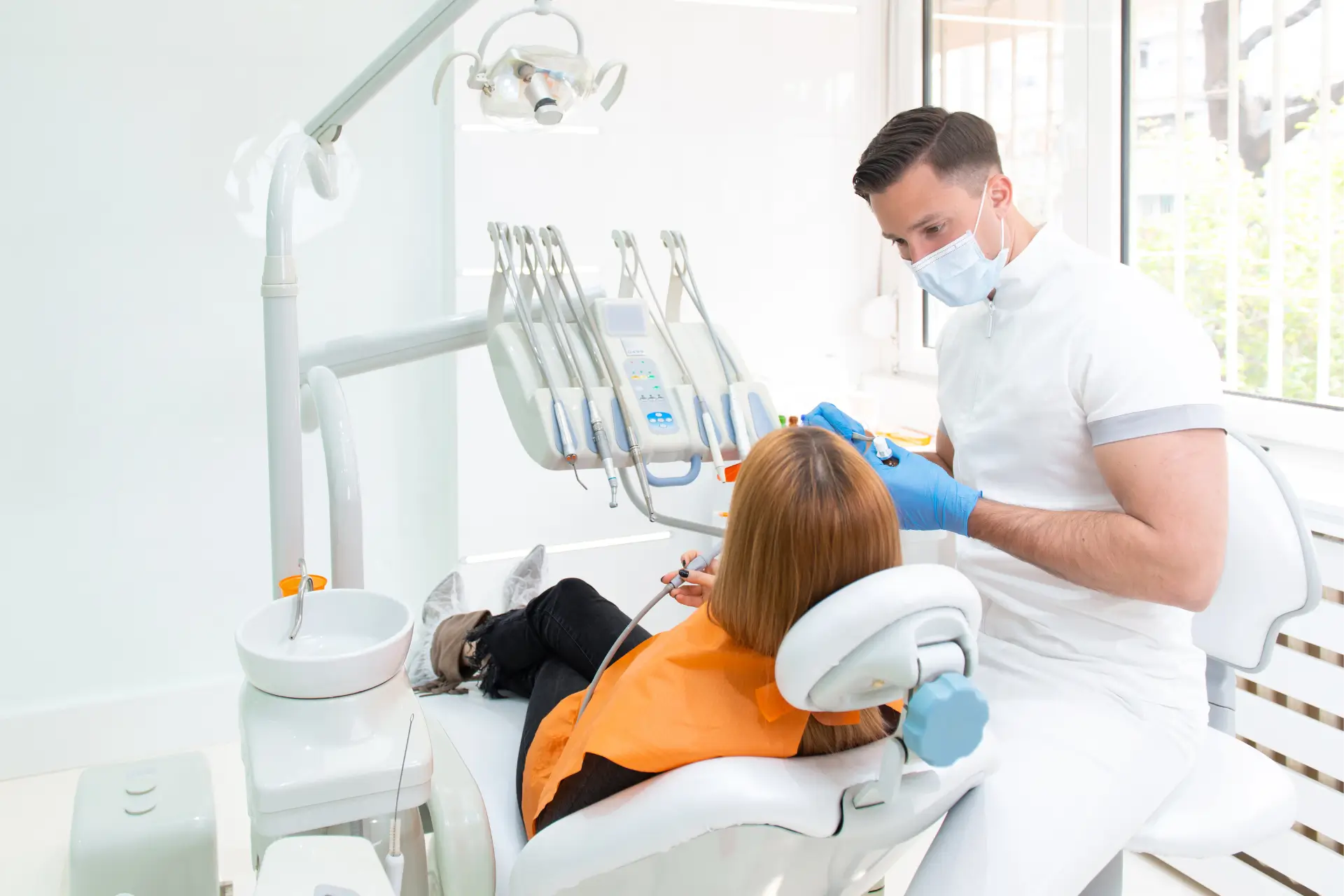
Patients sometimes worry that the first visit will be “just an exam” and nothing more. In a well-run office, emergency care often includes active treatment that same day when feasible. That might mean opening the tooth to relieve pressure, draining an abscess, cleaning under an infected gum flap, adjusting the bite on a traumatized tooth, or placing a temporary medication inside the tooth. Definitive treatment may happen that day or be scheduled soon after, depending on complexity and swelling.
What you can do before you are seen
Home care should support, not replace, professional treatment. The goals are to reduce irritation, limit swelling where possible, and avoid actions that make the infection worse.
- rinse gently with warm salt water several times a day
- take over-the-counter pain relief as directed on the label, if safe for you
- keep the area as clean as you can with soft brushing and careful flossing nearby
- use a cold compress on the outside of the face for swelling, 10 to 15 minutes at a time
- avoid placing aspirin, alcohol, clove products, or other substances directly on the gums
That last point matters more than people realize. Chemical burns from home remedies are common enough to be memorable. Holding aspirin against the gum can leave painful white, sloughing tissue. Essential oils used in high concentration can irritate already inflamed areas. Heat applied to the face is another mistake. It may feel soothing for a moment, but it can increase swelling.
Stick to soft foods, chew on the other side if possible, and drink water regularly. If cold air triggers pain, even breathing through the mouth can aggravate it, so keep the area protected. If you have diabetes, monitor blood sugar more closely during an active infection, since oral infections can make glucose harder to control and poor control can make healing slower.
The role of antibiotics, and their limits
Antibiotics have an important place in emergency dentistry, but they are not the answer to every toothache. If an infected tooth is causing localized pain without swelling or fever, immediate dental treatment may matter more than medication. Once facial swelling, fever, lymph node tenderness, or spreading soft tissue involvement appears, antibiotics are more likely to be appropriate as part of the plan.
Even then, the source still needs treatment. If infected pulp remains sealed inside a tooth, symptoms often return after the antibiotic course ends. Many patients have had this exact experience. They feel better for several days, assume the problem has passed, then the pain comes back on a weekend or during travel. That cycle is not bad luck. It is what untreated dental infection often does.
Antibiotic choice depends on allergy status, medical history, probable source, and local prescribing habits. Not every patient can take the same medication, and not every infection responds equally. It is also worth noting that antibiotics can cause stomach upset, yeast infections, drug interactions, and resistance issues. Good dental care uses them judiciously, not reflexively.
Root canal or extraction, how the decision is made
When a tooth is infected, patients often want a simple yes or no answer: can it be saved? Sometimes the answer is clear. A front tooth with enough healthy structure and a straightforward root anatomy may do very well with root canal treatment and a proper restoration. A molar that is cracked through the root or decayed below the gumline usually does not offer the same future.
Cost plays a role, and so does durability. Root canal treatment followed by a crown can preserve chewing function and prevent shifting, but it requires enough remaining tooth and a patient willing to maintain it. Extraction may be more affordable in the short term, yet it leaves a gap that may affect chewing, neighboring teeth, and bite balance if not replaced. The right choice depends on the tooth, the infection, the rest of the mouth, and the patient’s priorities.
There are also timing issues. A severely swollen area may respond better if it is first drained and medicated, with definitive treatment completed once tissues settle. On the other hand, removing the source promptly is often the fastest route to recovery when the tooth is beyond saving. This is where clinical judgment matters. There is no single algorithm that fits every emergency.
Special situations that deserve extra caution
Pregnancy changes the conversation, though not in the way many people fear. Dental infections during pregnancy should not be ignored. Untreated infection and uncontrolled pain can create more risk than a focused dental evaluation. Many emergency measures, including certain X-rays with shielding and commonly used local anesthetics, can still be managed appropriately. The dentist and obstetric provider may coordinate if needed, especially when medication choices are involved.
Children can deteriorate faster than adults in some situations, partly because swelling and fever may escalate quickly and partly because younger patients may struggle to describe symptoms clearly. A child who refuses food, cries with chewing, develops facial swelling, or runs a fever with dental pain needs prompt assessment.
Older adults and medically complex patients also require close attention. A person on blood thinners, chemotherapy, bone-modifying medications, or immunosuppressants may need tailored emergency treatment. Dry mouth from medications can raise cavity risk dramatically, which means some infections seem to appear “out of nowhere” when the real process has been developing quietly for months.
What recovery usually looks like
Once the source of infection is treated, many patients feel meaningful relief within 24 to 48 hours, although tenderness can linger. If a tooth was opened and drained, it may feel sore to bite on for a few days. If an abscess around the gum was cleaned, the tissue may remain irritated while swelling reduces. Extraction sites can ache during early healing, but the deep, constant pressure of infection usually eases quickly.
Improvement should follow a direction. Pain may not vanish instantly, but it should begin to loosen its grip. Swelling should stop enlarging and then recede. If symptoms worsen after treatment, especially with new fever, increasing swelling, or trouble swallowing, that deserves immediate follow-up.
The aftercare instructions matter more than some patients realize. Finishing prescribed medication, Dental Emergency keeping the area clean, eating appropriately, and showing up for definitive care are what prevent relapse. A temporary fix is exactly that, temporary. One of the easiest ways to turn a manageable infection into a repeat Dental Emergency is to skip the follow-up once the pain fades.
Preventing the next infection
Most emergency dental infections trace back to familiar causes: untreated decay, delayed fillings, fractured teeth, advanced gum disease, impacted wisdom teeth, and long gaps between cleanings or exams. Prevention is not glamorous, but it is effective. Small cavities are easier and cheaper to treat than teeth that need root canals. Early gum inflammation is easier to reverse than deep periodontal pockets that repeatedly abscess.
There is also a behavioral pattern that shows up often in emergency care. Patients postpone treatment because the tooth calms down, the schedule is packed, or the finances are tight. Then life adds pressure, sleep drops, immunity dips, and the tooth flares badly at the worst possible time. The body gives warnings before many Dental Emergency visits. Acting during the quieter phase usually leads to better options and lower cost.
If your gums bleed regularly, if food packs around a certain tooth, if a wisdom tooth area keeps swelling, or if a tooth has become sensitive in a new and specific way, pay attention to that pattern. Dentistry is full of problems that are easier to solve early.
When to seek help right away
If you suspect infected gums or a tooth infection, the safest approach is to call a dentist sooner rather than later, explain the symptoms clearly, and mention any swelling, fever, drainage, or trouble swallowing. Offices triage these calls every day, and the details matter. “Toothache” is not the same as “toothache with swelling up to the eye” or “gum pain with a bad taste and I cannot open my mouth.”
For many people, the hardest step is making the call because they worry about cost, judgment, or hearing that the tooth cannot be saved. But delayed treatment rarely makes any of those easier. Infection is one of the few dental problems that can move beyond the tooth and become a broader health issue. Prompt evaluation protects comfort, preserves more treatment options, and in some cases prevents a dangerous escalation.
Emergency dental care is not just about stopping pain for the day. It is about controlling infection, identifying the source, and choosing the treatment that gives you the safest and most stable outcome. When gums are infected or a tooth is abscessed, speed matters, but so does getting the right care.
Vitality Dental
Address: 1220 Coit Rd #106, Plano, TX 75075
Phone number: +19726454100
FAQ About Dental Emergency
What can the ER do for a tooth?
An emergency room (ER) can manage pain and treat severe infections with medication, but it cannot fix or pull a tooth.
What is considered a dental emergency?
A dental emergency is any oral health problem that involves severe pain, uncontrollable bleeding, or an infection that threatens your health or requires immediate care to save a tooth.
Is there a 24-hour dental service in Plano, TX?
There is no physical dental clinic in Plano, Texas, that stays open with walk-in staff 24 hours a day, but several offices offer 24/7 phone support, late-night hours, or same-day emergency care.