Dental Emergency Care After Biting Into Something Hard
It often happens in an instant. A popcorn kernel, an olive pit, a fork hidden under a bite of salad, a hard candy that did not soften as expected, or a piece of crust with a seed baked into it. You bite down, hear or feel a sharp crack, and everything changes. Sometimes there is immediate pain. Sometimes there is only a strange rough edge, a sudden sensitivity to air, or the unsettling sense that a tooth no longer fits together the way it did five seconds earlier.
That moment deserves respect. A cracked or broken tooth can be a true dental emergency, even when the discomfort seems manageable at first. Teeth do not heal the way skin does. Once enamel fractures or a filling fails, the problem tends to progress. Small cracks deepen under normal chewing pressure. A broken cusp can expose deeper layers of the tooth. A hidden fracture can irritate the pulp, the living tissue inside the tooth, and pain may build over hours or days rather than appearing immediately.
People often hesitate because they are unsure whether the damage is serious enough to call a dentist right away. That uncertainty is understandable. I have seen patients walk in convinced they only chipped a corner, only to find a deep fracture near the nerve. I have also seen the opposite, a dramatic sensation with surprisingly minor damage. The safe move is not to self diagnose based on pain alone. It is to protect the tooth, control symptoms, and get a professional evaluation promptly.
What can actually happen when you bite something hard
The force of an unexpected hard bite can injure a tooth in several different ways. The mildest version is a small enamel chip. Enamel is the hard outer shell of the tooth, and a tiny fragment may break away without exposing more sensitive tissue. Even then, the new edge can be sharp enough to cut the tongue or cheek.
A Dental Emergency step up from that is a fractured cusp. This is common in back teeth, especially those with large fillings. One of the raised chewing points breaks off, often leaving a jagged edge and tenderness when biting. The tooth may still look mostly intact, but every chew stresses the remaining structure.
Sometimes the force opens a crack through enamel and dentin, the layer beneath the enamel. These cracks can be difficult to see without magnification and special lighting. The hallmark is pain on biting or when releasing the bite, along with sensitivity to cold. Patients often point to one side and say, “It only hurts when I bite just right.” That pattern matters.
More serious injuries involve the pulp. If the fracture reaches the nerve space, the tooth can throb, ache spontaneously, or become exquisitely sensitive to cold, heat, or pressure. A split that extends below the gumline can make the tooth impossible to save. There are also cases where a filling, crown, veneer, or bridge component breaks rather than the tooth itself. That may sound better, but the exposed tooth underneath can still be vulnerable and painful.
The point is simple. The exact type of damage is not always obvious from the mirror at home. What feels like a minor chip can hide a more significant crack.
The first hour matters
The first hour after the injury is less about fixing the tooth and more about preventing the problem from getting worse. People naturally want to keep testing it with their bite, tapping it with a fingernail, or running their tongue over the area. Resist that urge. Repeated pressure can turn a repairable fracture into a more complex one.
Here is the practical sequence I recommend:
- Stop chewing immediately and remove any remaining hard food from your mouth.
- Rinse gently with lukewarm water to clear debris and blood if the gum is irritated.
- If there is swelling or facial tenderness, place a cold compress on the outside of the cheek for 10 to 15 minutes at a time.
- Save any broken piece of tooth or restoration if you can find it, and place it in a clean container.
- Call your dentist or an emergency dental office the same day, even if the pain is mild.
That short window can influence the outcome. If a crown has come off cleanly, for example, it may be possible to recement it if the underlying tooth is intact. If a sharp edge is slicing the tongue, temporary smoothing or protection can make a big difference quickly. If the pulp has been exposed, early treatment may help reduce the risk of escalating pain and infection.
How to tell if this is a true dental emergency
The phrase dental emergency gets used loosely, so it helps to draw a line between urgent and less urgent Dental Emergency situations. A tiny enamel chip with no pain can usually wait for the next available appointment within a day or two. A tooth that is throbbing, visibly cracked, bleeding around the fracture, or painful when touched should be treated as urgent. The same goes for a broken restoration that leaves the tooth highly sensitive.
The most urgent scenarios are those involving uncontrolled bleeding, swelling that spreads into the face or jaw, fever, difficulty swallowing, difficulty opening the mouth, or trauma that loosened or displaced the tooth. Those signs suggest a level of injury that needs immediate care.
Use common sense, but err on the side of caution. The patient who waits because “it only hurts a little” is often the one who ends up needing more invasive treatment later. Teeth rarely reward delay.
What you can do at home while you wait to be seen
Home care is about damage control, not definitive treatment. If the tooth has a sharp edge, dental wax can help cover it temporarily. Orthodontic wax works well if you have it. Sugar free chewing gum can serve in a pinch for a few hours, though it is less ideal because it does not stay put as reliably. The goal is simply to protect the soft tissues.
Over the counter pain relievers can reduce discomfort if you can safely take them. Follow the label instructions and be mindful of your own medical conditions, stomach sensitivity, kidney issues, blood thinners, or other medications. A cold compress can help with swelling on the outside of the face. Soft foods are best, and chew on the opposite side if you must eat before your appointment.
Avoid very hot drinks, icy beverages, and anything especially sweet if the tooth has become sensitive. Temperature extremes can provoke a damaged tooth, particularly if dentin or pulp is exposed. Do not use the tooth to test progress. Do not bite into toast, nuts, chips, or granola because it “feels a little better now.” Temporary calm can be misleading.
One old home remedy deserves a clear warning. Do not place aspirin directly on the gum or tooth. It does not treat the tooth and can burn the soft tissue. Likewise, do not use super glue or household adhesive to try to repair a crown or fragment. Those materials are not designed for oral tissues and can create a much bigger problem for the dentist trying to help you.
Pain does not always match the severity
One of the trickiest parts of these injuries is that pain can be deceptive. A superficial chip may feel dramatic because the edge is sharp and the tongue is constantly aware of it. A deep crack may feel oddly minor at first, especially if the fractured segments have not shifted much yet.
I remember a patient who bit into a date with a hidden pit during a holiday meal. He called the next morning because one molar felt “off” but not particularly painful. He almost canceled because work got busy. On examination, the tooth had a cracked cusp around an old filling. It was still restorable that day. Had he put it off for another week of normal chewing, there was a real chance the crack would have propagated below the gumline. Instead, he left with a protective crown plan rather than an extraction referral.
The opposite happens too. A person bites hard on a seed, jolts the ligament around the tooth, and experiences intense soreness for 24 to 48 hours even though the tooth itself is intact. That is why evaluation matters. The tissues that support the tooth can bruise. The tooth can be uncracked but tender to bite because the ligament is inflamed. Even then, a dentist may recommend a softer diet and observation because bruised teeth can declare their true status over several days.
What the dentist is looking for
A proper exam after this kind of injury is usually more nuanced than people expect. The dentist will ask what you bit, when it happened, whether you heard a crack, whether the pain comes with biting, release, cold, heat, or spontaneously, and whether you have had previous fillings or root canals in that tooth. Those details help narrow the type of fracture.
The clinical exam may include visual inspection, magnification, a bite test on specific cusps, percussion, gum probing, pulp vitality testing, and X rays. Not all cracks show on X ray. In fact, many do not. Radiographs are still important because they can show broken restorations, decay under fillings, periodontal changes, root issues, or a fracture pattern that has already progressed.
If the tooth has a crown or large filling, the dentist may remove compromised material to see how far the fracture extends. Sometimes the first step is a sedative or temporary restoration to stabilize the tooth and reduce symptoms before a final decision is made. That is not indecision. It is sound judgment. Teeth under acute stress do not always reveal their prognosis in a single snapshot.
Common treatments and why they differ
Treatment depends on what actually broke and how deep the damage goes. A small enamel chip may need nothing more than smoothing and polishing, or a bonded filling if the appearance or edge warrants it. A larger chip involving dentin typically needs a composite repair to seal the surface and restore form.
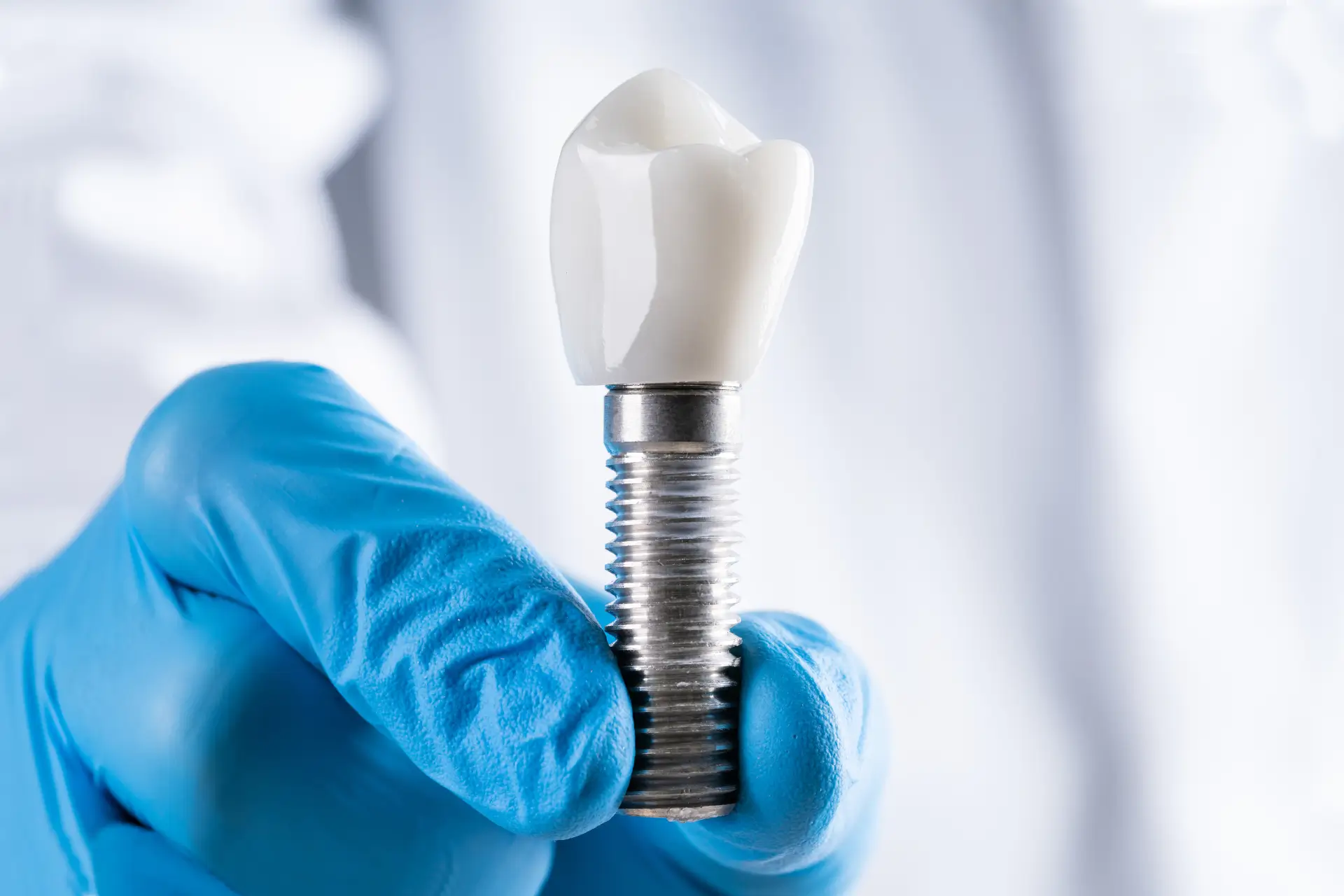
A fractured cusp often requires a crown, especially in a back tooth that takes heavy chewing forces. If enough healthy structure remains and the nerve is healthy, a crown can protect the tooth well for years. If the pulp has been irritated beyond recovery, root canal treatment may be needed before the crown.
A crack that extends into the pulp usually pushes treatment in the same direction, root canal plus a crown, assuming the crack does not extend too far down the root. If the fracture splits the tooth vertically or runs below the gum and into the root in a non restorable way, extraction may be the only realistic option. That is hard news, but false reassurance helps no one. Some teeth can be saved beautifully. Some cannot. The skill is in telling the difference early enough to make the best choice.
When a crown or filling breaks rather than the tooth, the repair may be simpler, but not always. If decay has formed underneath or the tooth structure has weakened, the restoration failure is a sign of a larger problem rather than a stand alone event.
When waiting can make things more expensive
People sometimes assume a day or two will not matter. Sometimes it does not. Sometimes it absolutely does. A minor fracture can often be restored conservatively. Once that same tooth continues to flex under chewing pressure, the crack can deepen, bacteria can enter, and the pulp can become inflamed or infected. The difference between a bonded repair and a root canal with a crown is not just clinical. It affects cost, time, and long term prognosis.
There is another issue that gets overlooked. A jagged fracture can alter your bite. You may shift how you chew to avoid discomfort, which puts unusual load on neighboring teeth and the jaw joint. I have seen people present not only with the injured tooth, but with facial muscle pain after several days of chewing around it. The body adapts quickly, and not always in a helpful way.
A few situations that deserve same day attention
Some signs raise the urgency enough that waiting for a routine opening is a bad idea. If any of the following are happening, seek same day dental care, or urgent medical care if breathing or swallowing is affected:
- significant swelling of the gum, jaw, or face
- persistent bleeding that does not stop with gentle pressure
- severe pain that is escalating or waking you from sleep
- a tooth that is loose, shifted, or feels mobile after the incident
- fever, foul taste, or drainage suggesting infection
These are not subtle symptoms. They point to deeper injury, active infection, or trauma beyond a simple chip.
Special cases people often overlook
Teeth with old large fillings are particularly vulnerable. The remaining natural tooth structure can become thin over time, and biting into something unexpectedly hard may shear off a wall of the tooth. In those cases, the existing filling did not necessarily “cause” the problem, but it often reflects a tooth that has already lost a lot of internal strength.
Root canal treated teeth deserve mention too. They can fracture with surprisingly little warning because they no longer have a living nerve to signal distress the same way. A patient may notice a chunk break off without much pain at all. That does not mean the situation is minor. Nonvital teeth can fail structurally while staying deceptively quiet.
Children and teenagers need a slightly different lens. A newly chipped permanent tooth after biting something hard may involve only enamel, but if there is a visible yellow or pink area in the center, the injury is deeper and time sensitive. Parents often describe it as “just a chip,” yet front teeth in younger patients deserve prompt attention because preserving pulp health can matter for long term development.
Orthodontic patients sometimes assume a broken bracket is the main issue after a hard bite. It may be, but the tooth under that bracket can still be cracked or bruised. If the bite suddenly feels uneven, or one tooth becomes very sensitive after the event, the orthodontic hardware should not distract from a proper tooth assessment.
Eating and drinking until the tooth is treated
Until you have been evaluated, think soft and low stress. Yogurt, eggs, soup that is warm rather than hot, pasta, oatmeal, rice, mashed vegetables, and tender fish are generally reasonable choices. Hard breads, nuts, brittle crackers, chips, popcorn, chewy candies, ice, and raw crunchy vegetables are not worth the risk.
Hydration matters because dry mouth can amplify sensitivity, but choose room temperature beverages if the tooth reacts strongly. Alcohol can be irritating if there are injured soft tissues and may also interact with pain medicines. If the damaged tooth is in the front, even something as innocent as biting into a sandwich can worsen a crack. Cut food into smaller pieces and place it toward the other side of the mouth.
Preventing a repeat episode
Some accidents are just bad luck, but patterns do exist. People who clench or grind often have microcracks, worn enamel, and heavily loaded molars. For them, a hard bite is the final straw rather than the whole story. If you have had more than one tooth fracture, it is worth asking about bite forces, nightguard use, and whether older large fillings should be proactively crowned before they break.
The same goes for eating habits. Popcorn kernels and unpopped fragments are frequent offenders. So are hard seeded breads, pistachios opened with the teeth, chewing ice, and trying to crack hard candy. I have heard every version of “I usually know better.” Most people do. It only has to go wrong once.
Routine dental exams matter here because small cracks, failing fillings, and undermined cusps often give subtle warnings before a dramatic break. A tooth that has a visible craze line and a deep old filling may be functioning fine today, but it may not be a good candidate for another few years of heavy chewing without reinforcement.
What to expect after treatment
Even after the tooth is repaired, some tenderness can linger for a short time, especially if the ligament around the tooth was bruised during the original bite. A new filling may settle quickly, while a crown preparation or temporary crown phase can involve a few days of adjustment. What should improve is the sharpness, instability, and acute biting pain.
What should not happen is steadily worsening pain, persistent swelling, or a bite that feels high and never settles. Those are reasons to call back. Dental trauma is dynamic, and occasionally a tooth that looked stable initially declares deeper pulp damage later. That does not mean the first treatment was wrong. It means biology sometimes reveals itself in stages.
The main thing patients need to hear is this: prompt care gives you options. Waiting narrows them.
A cracked or broken tooth after biting into something hard is never something to ignore, even if the damage seems small. Protect the area, avoid chewing on it, manage symptoms sensibly, and arrange an exam as soon as possible. In a true dental emergency, speed is not about drama. It is about preserving tooth structure, reducing pain, and giving that tooth its best chance to stay in your mouth for years to come.
Vitality Dental
Address: 1220 Coit Rd #106, Plano, TX 75075
Phone number: +19726454100
FAQ About Dental Emergency
What can the ER do for a tooth?
An emergency room (ER) can manage pain and treat severe infections with medication, but it cannot fix or pull a tooth.
What is considered a dental emergency?
A dental emergency is any oral health problem that involves severe pain, uncontrollable bleeding, or an infection that threatens your health or requires immediate care to save a tooth.
Is there a 24-hour dental service in Plano, TX?
There is no physical dental clinic in Plano, Texas, that stays open with walk-in staff 24 hours a day, but several offices offer 24/7 phone support, late-night hours, or same-day emergency care.